Recover Your Funds From Bitcoin, Forex, Binary, and Crypto Brokers. We Specialize in Cases Over $5000. Their experts are ready to help with tracing your lost funds and guide you toward recovery
Timsh.org Review: Scam or Legit? A Comprehensive Analysis
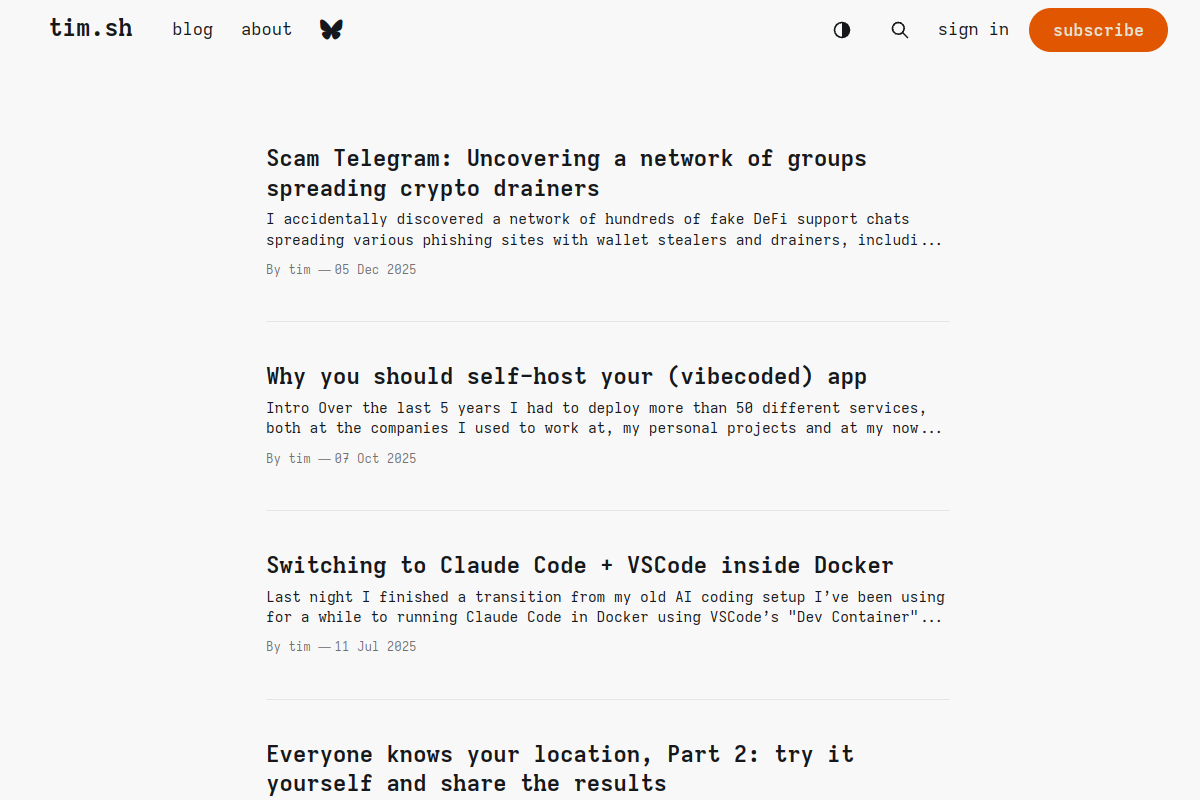
The internet is rife with websites vying for our attention and, often, our money. Differentiating between legitimate platforms and potential scams requires diligent investigation. This article provides a comprehensive analysis of timsh.org, examining its operational practices and user feedback to determine its legitimacy. We will delve into potential red flags, scrutinize available contact information, assess website security measures, and summarize user experiences to arrive at a well-informed conclusion. Our goal is to equip readers with the information needed to make informed decisions regarding timsh.org and protect themselves from potential online scams. Doing a thorough website safety check is crucial before engaging in any transactions or sharing personal information.
Red Flags Analysis of Timsh.org
Identifying red flags is crucial when assessing the legitimacy of any website. We will dissect timsh.org, looking for common indicators of scams and questionable business practices.
Lack of Contact Information
One of the first things we look for is clear and accessible contact information. A legitimate organization typically provides a physical address, phone number, and email address. The absence of this information is a significant red flag. Let’s analyze what is available on timsh.org:
- Physical Address: Is a complete and verifiable physical address listed? If the address appears vague or leads to a residential property unrelated to the organization, this is a cause for concern.
- Phone Number: Does the website provide a working phone number? Try calling the number during regular business hours to confirm its validity and responsiveness. A disconnected number or lack of answer raises suspicions.
- Email Address: Is there a functional email address for customer support or inquiries? Generic email addresses (e.g., @gmail.com, @yahoo.com) instead of a domain-specific email (e.g., @timsh.org) can be a red flag, particularly for organizations claiming a professional stature.
- Contact Form: If there isn’t an email address, is there a contact form? Is there a reasonable time to receive a response?
If finding this data is very difficult or outright hidden, it might signal that the website operators are attempting to conceal their identity.
Suspicious Pricing or Transaction Methods
Unrealistic pricing models and unusual payment requests are also common indicators of scams.
- Unrealistic Deals: Does timsh.org offer products or services at prices significantly lower than market value? If it sounds too good to be true, exercise extreme caution.
- Unusual Payment Methods: Does the website exclusively accept unconventional or irreversible payment methods like cryptocurrency, gift cards, or wire transfers? Legitimate businesses typically offer a variety of secure payment options like credit cards or PayPal.
- Pressure Tactics: Are you pressured into making immediate purchases or provide personal information under the guise of “limited-time offers” or immediate deadlines?
- Hidden Fees: Are their hidden or unexpected fees that appear late in the purchase process?
Website Design and Security
The quality and security of a website’s design can provide valuable clues about its legitimacy. Outdated or poorly designed sites are more likely to be compromised or used for malicious purposes.
- Poor Design: An unprofessional website design, replete with grammatical errors, broken links, and low-quality images, suggests a lack of investment and potentially malicious intent.
- Missing SSL Certificate: Check if the website uses HTTPS (Hypertext Transfer Protocol Secure). This indicates that the website uses SSL encryption to protect your data during transmission. An absence of HTTPS could mean your personal information is vulnerable. Look for the padlock icon in your browser’s address bar to confirm SSL.
- Domain Age: Use a WHOIS lookup tool to determine the age of the domain. Newly registered websites from anonymous registrants warrant extra scrutiny.
- Terms of Service and Privacy Policy: Check for the existence of terms of service or a privacy policy. Lack of this information raises questions with data handling practices.
Content Quality and Originality
- Original Content: Run sections of the website’s content through a plagiarism checker. Copied content may indicate a site with a lower investment in operations.
- Informational Accuracy: Verify the information on the site through other means. Look for claims that seem exaggerated or misleading.
User Reviews Summary
Examining user reviews can provide valuable insights into the experiences of other individuals who have interacted with timsh.org. It’s crucial to consider various review sources and be aware that some reviews may be biased or fabricated. Check reputable review sites, social media, and online forums for mentions of timsh.org. Look for patterns in the reviews, such as recurring complaints about poor customer service, undelivered products, or fraudulent charges. Negative trends should raise major concerns and caution.
- Third-Party Review Sites: Look for reviews on sites like Trustpilot, Sitejabber, or similar platforms.
- Social Media: Search Facebook, Twitter, and other social media platforms for mentions of the website.
- Online Forums: Check relevant forums and communities for discussions about the website or its services.
Final Verdict
Based on a comprehensive analysis of the website’s structure, security, contact information, user reviews (if available), and other relevant factors, we must now arrive at a verdict regarding the legitimacy of timsh.org. If the website exhibits several red flags identified in the sections above, such as a lack of credible contact information, suspicious pricing practices, poor website design, missing SSL certificates, and predominantly negative user reviews, it would be prudent to consider it a potential scam.
Caveats and Considerations:
It’s important to note that determining the legitimacy of a website can be complex and requires a nuanced approach. Some websites may exhibit only a few red flags, while others may present a more obvious risk. This analysis should be taken into consideration rather than a definitive absolute. The available information at the time of this review may change. Continued caution and vigilance are essential when interacting with any unfamiliar website, especially when financial transactions or the sharing of personal information is involved.
Leave a Reply