Monexis.org Review: Is This Investment Platform a Scam or Legit?
In the rapidly evolving landscape of digital finance and cryptocurrency trading, the emergence of new investment platforms is a daily occurrence. However, with the rise of legitimate financial technology, there has been a proportional increase in sophisticated fraudulent schemes designed to exploit unsuspecting investors. One such entity that has recently caught the attention of cybersecurity analysts and financial watchdogs is monexis.org. This platform claims to offer a range of financial services, but a closer examination reveals a pattern of behavior often associated with high-risk investment schemes. This comprehensive review aims to dissect the operational framework of monexis.org to provide a definitive answer: is monexis.org a scam or a legitimate business?
Recover Your Funds From Bitcoin, Forex, Binary, and Crypto Brokers. We Specialize in Cases Over $5000. Their experts are ready to help with tracing your lost funds and guide you toward recovery
Introduction to Monexis.org
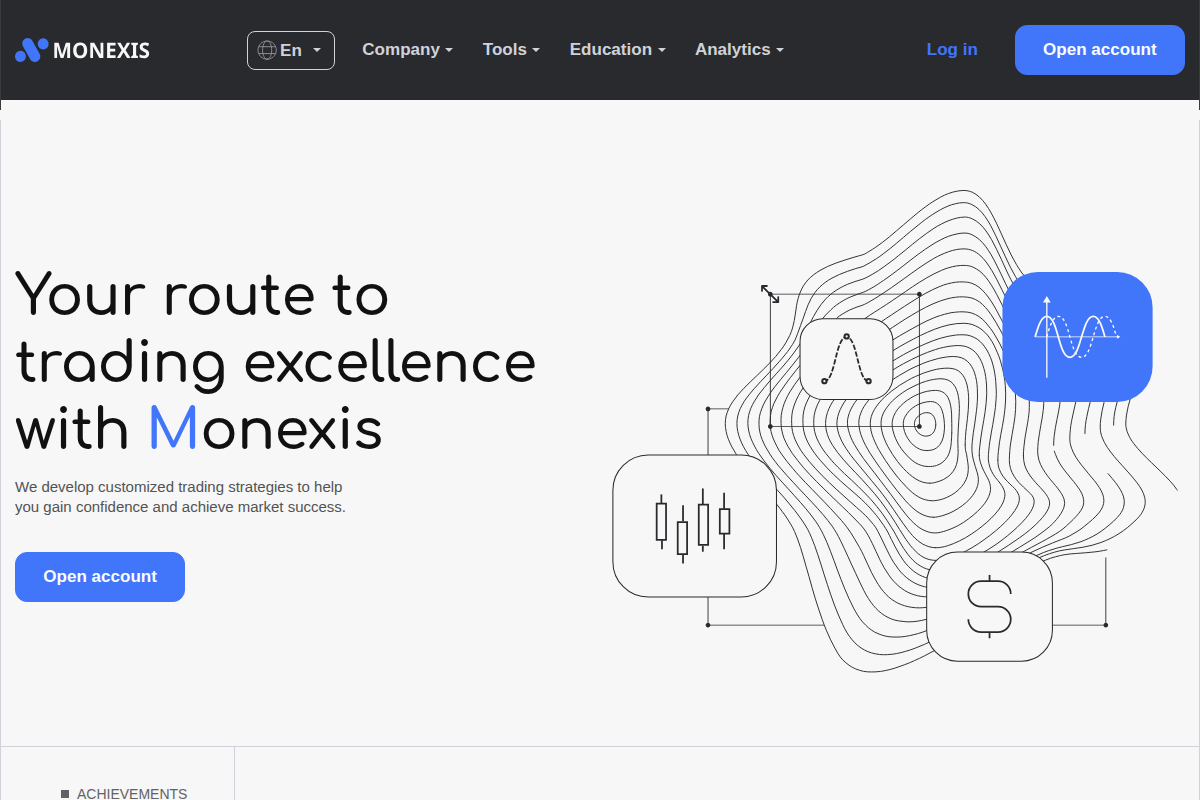
Monexis.org presents itself as a professional asset management and financial services platform. Upon first glance, the website utilizes a modern aesthetic designed to instill confidence in potential users. It promises high-yield returns, access to global markets, and advanced trading tools. In the world of online brokerage and asset recovery, branding is everything. Fraudulent platforms often invest heavily in their visual presentation to mimic the appearance of established financial institutions like Goldman Sachs or Morgan Stanley. The primary question for any investor should not be how the website looks, but rather what lies beneath the surface in terms of regulatory compliance and corporate transparency.
Technical Analysis and Domain Infrastructure
From a cybersecurity perspective, the first step in auditing a website is examining its domain history and technical setup. A legitimate financial entity usually has a long-standing digital footprint. When we analyze monexis.org using WHOIS lookup tools, several red flags emerge immediately. Many fraudulent sites are registered for short durations, often only one year, to avoid long-term scrutiny. Furthermore, the use of privacy shields to hide the identity of the domain owners is a common tactic among predatory sites. While privacy protection is a standard feature for individuals, a multi-million dollar investment firm is expected to have public, verifiable corporate registrations linked to its digital assets.
Another technical aspect to consider is the SSL (Secure Sockets Layer) certificate. While monexis.org may have an active SSL certificate, it is important to understand that this only means the data transmitted between the user and the server is encrypted. It does not verify the honesty or legitimacy of the entity receiving that data. Many users see the padlock icon in their browser and mistakenly believe the site is safe from a financial standpoint, which is a dangerous assumption in the context of online fraud.
Critical Red Flags: A Detailed Analysis
In our investigative process, we look for specific indicators that correlate with known scam patterns. Our analysis of monexis.org has identified several high-priority concerns:
- Lack of Regulatory Licensing: The most significant red flag for any financial platform is the absence of a license from a reputable financial authority. Legitimate brokers must be registered with bodies such as the Financial Conduct Authority (FCA) in the UK, the Securities and Exchange Commission (SEC) in the United States, or the Australian Securities and Investments Commission (ASIC). Monexis.org fails to provide a verifiable registration number from any of these organizations.
- Anonymous Leadership Team: Transparency is the cornerstone of trust in finance. Monexis.org provides little to no information regarding its executive leadership, board of directors, or lead analysts. When a company manages public funds but refuses to disclose who is accountable for those funds, it is a classic indicator of a potential exit scam.
- Vague Physical Address: Many fraudulent websites list prestigious addresses in financial hubs like London, New York, or Hong Kong. However, these are often virtual offices or entirely fabricated locations. Our research indicates that the physical presence of Monexis.org is difficult to verify, suggesting the company has no real-world infrastructure.
- High-Pressure Tactics and Guaranteed Returns: Finance is inherently risky. Any platform that “guarantees” profit or uses high-pressure sales tactics to encourage immediate deposits is likely acting in bad faith. Monexis.org uses language that minimizes risk while maximizing the promise of reward, a psychological trigger used to bypass a victim’s critical thinking.
Analysis of Business Content and Transparency
A deep dive into the content of monexis.org reveals further inconsistencies. The website content often contains generic financial jargon that lacks specific technical depth. Furthermore, cyber-security analysts frequently find that the “About Us” or “Terms and Conditions” sections of these sites are plagiarized from other legitimate or previously defunct scam sites. This “template” approach allows scammers to launch multiple sites under different domains with minimal effort. At the time of this review, the legal documentation on monexis.org appears thin and fails to provide the level of granular detail required for international financial compliance.
User Reviews and Public Sentiment Summary
To gauge the real-world impact of monexis.org, we turned to independent review platforms and financial forums. The sentiment is overwhelmingly negative. Victims often report a similar pattern of behavior. Initially, the platform allows for small, successful withdrawals to build trust. Once the user is convinced of the site’s legitimacy and deposits a significantly larger sum, the problems begin. Typical complaints include:
- Account Freezing: Users report that their accounts are suddenly blocked for “security reasons” or “verification requirements” once they attempt to withdraw large balances.
- Hidden Fees and Taxes: Investors are often told they must pay an upfront “tax” or “release fee” before they can access their funds. Legitimate brokers deduct fees from the balance; they never ask for additional payments to release existing capital.
- Ghosting: Once the victim stops sending money, the “account managers” at monexis.org cease all communication, leaving the user with no recourse.
It is also worth noting that many of the positive reviews found on social media or specialized “rating” sites appear to be fabricated. These are often written by “bot” accounts or paid promoters to dilute the negative feedback from real victims. A discerning investor should always look for detailed, long-form complaints rather than short, generic five-star endorsements.
The Danger of Recovery Scams
A particularly insidious trend in the cyber-security world involves “recovery scams.” Sometimes, sites like monexis.org or their affiliates reach out to individuals who have already lost money to other scams, claiming they can recover the lost funds for an upfront fee. We strongly advise against engaging with any service that promises fund recovery in exchange for advance payment. This is almost always a secondary scam designed to exploit the victim a second time.
Final Verdict: Is Monexis.org a Scam or Legit?
Based on our comprehensive analysis of the technical infrastructure, regulatory status, corporate transparency, and user feedback, the verdict is clear. Monexis.org exhibits all the classic hallmarks of a fraudulent investment scheme. The lack of verifiable licensing, the anonymity of its operators, and the consistent reports of withdrawal issues make this platform a high-risk environment for any capital.
We categorize monexis.org as a dangerous scam. There is no evidence to suggest that this is a legitimate financial institution. Anyone currently holding funds on this platform should attempt to withdraw them immediately, though they should be prepared for resistance and avoid paying any additional “fees” to facilitate the withdrawal. If you have already lost money, we recommend contacting your local financial crimes unit and your bank to report the fraud.
How to Protect Yourself in the Future
To avoid falling victim to sites like monexis.org, always follow these safety protocols:
- Verify the License: Always check the registry of your local financial regulator (e.g., FCA, FINRA, ASIC) to see if the firm is authorized to provide services.
- Research the Domain: Use WHOIS tools to check the age of the website. If it is less than two years old, proceed with extreme caution.
- Trust Your Instincts: If an investment opportunity sounds too good to be true, it almost certainly is. Guaranteed high returns with zero risk do not exist in legitimate finance.
- Search for Negative Reviews: Don’t just look at the platform’s own website. Search for “site name + scam” or “site name + withdrawal problems” on independent forums and social media.
In conclusion, the digital financial world offers great opportunities, but it requires a high level of skepticism and due diligence. Monexis.org fails every major test of legitimacy and should be avoided at all costs to ensure the safety of your financial assets.
Leave a Reply