Recover Your Funds From Bitcoin, Forex, Binary, and Crypto Brokers. We Specialize in Cases Over $5000. Their experts are ready to help with tracing your lost funds and guide you toward recovery
cxobe.net Review: Scam or Legit? A Comprehensive Analysis
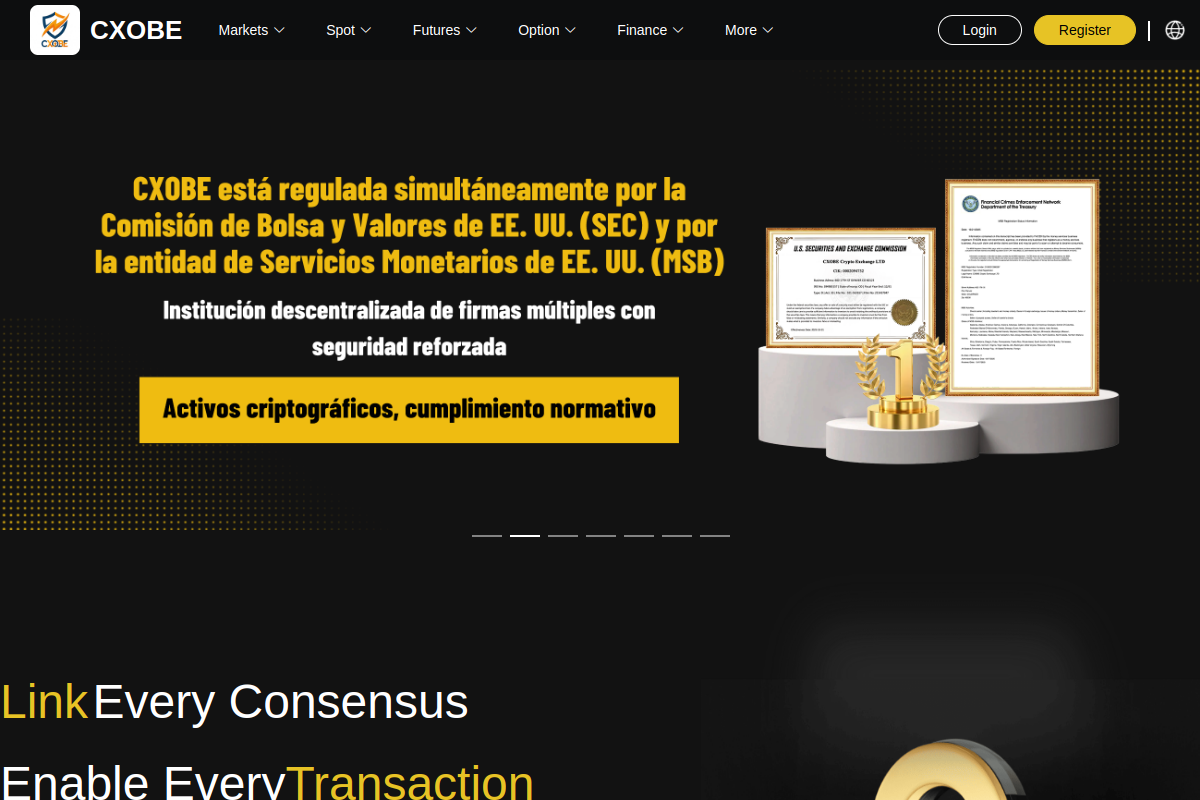
The internet is rife with potential online scams, and discerning legitimate businesses from fraudulent ones can be challenging. This article provides a comprehensive analysis of the website cxobe.net, examining potential red flags, user reviews, and security aspects to determine whether it is a safe and trustworthy platform or a potential scam. Our goal is to provide you with the information you need to make an informed decision about interacting with cxobe.net.
Red Flags Analysis: A Deep Dive into cxobe.net
When evaluating the legitimacy of a website, several key indicators can point to potential fraudulent activity. We will examine cxobe.net based on these common red flags:
Lack of Contact Information and Transparency
One of the first things to look for is readily available and verifiable contact information. Legitimate businesses typically provide a physical address, phone number, and email address. A lack of this information is a significant warning sign.
- Address Verification: Is a physical address listed? If so, does it correspond to a real business location or a residential address? A Google Maps search can often reveal discrepancies.
- Phone Number Verification: Is a phone number provided? Can you call it and speak to a representative? A disconnected number or a generic answering machine can indicate a problem.
- Email Address Verification: Is a professional email address used (e.g., support@cxobe.net) or a generic free email address (e.g., cxobe@gmail.com)? The latter can be a sign of unprofessionalism or an attempt to hide the identity of the website operator. Are emails answered promptly and professionally?
- “About Us” Page: Does the website have a comprehensive “About Us” page that details the company’s history, mission, and values? A vague or missing “About Us” page is a common red flag.
Suspicious Pricing and Product/Service Descriptions
Unrealistic pricing or vague product/service descriptions are often used to lure in unsuspecting victims. Watch out for deals that seem too good to be true.
- Unrealistically Low Prices: Are the prices significantly lower than those offered by competitors? This could be a tactic to attract victims quickly before disappearing.
- Vague Product/Service Descriptions: Are the products or services clearly described, or are the descriptions ambiguous and lacking in detail?
- Pressure Tactics: Are you being pressured to make a purchase quickly with limited-time offers or claims of scarcity?
- Payment Methods: Does the website only accept unconventional payment methods such as gift cards, cryptocurrency, or wire transfers? These methods are often preferred by scammers because they are difficult to trace.
Poor Website Design and Functionality
A poorly designed website with grammatical errors, broken links, and a lack of professional polish can be a sign of a scam. Professional businesses invest in their online presence.
- Grammatical Errors and Typos: Is the website riddled with grammatical errors and typos? This can indicate a lack of attention to detail and a potential lack of legitimacy.
- Broken Links and Functionality: Are there broken links or features that do not function correctly? This can be a sign of a poorly maintained website.
- Website Security (SSL Certificate): Does the website have a valid SSL certificate? An SSL certificate ensures that data transmitted between your computer and the website is encrypted, protecting your personal information. Look for “https” in the website address and a padlock icon in your browser’s address bar. A missing SSL certificate is a major security risk.
- Domain Age and Registration Information: How old is the domain? Newer domains are often used for short-term scams. Who is the registered owner of the domain? Using Whois lookup tools can reveal if the registration information is hidden or uses a privacy service.
Terms of Service and Privacy Policy
Legitimate websites have clear and comprehensive Terms of Service and Privacy Policy documents that outline your rights and responsibilities when using the site, and how your data is handled. The absence of these documents, or their ambiguous phrasing, is a huge red flag.
- Presence of Terms of Service and Privacy Policy: Does the website have these documents? If so, are they easily accessible and easy to understand?
- Data Usage Transparency: Does the Privacy Policy clearly explain how your data is collected, used, and shared?
- User Rights: Does the Terms of Service outline your rights as a user of the website?
User Reviews Summary: What Are Others Saying?
Checking user reviews and testimonials is crucial in determining a website’s trustworthiness. However, be aware that scammers can create fake reviews to boost their reputation. Look for patterns in the reviews and be skeptical of overly positive or generic testimonials.
- Review Sources: Search for reviews on independent review sites, forums, and social media platforms.
- Review Authenticity: Look for detailed and specific reviews that describe actual experiences. Be wary of generic or overly positive reviews.
- Negative Review Patterns: Are there consistent complaints about the website, such as poor customer service, delayed shipments, or fraudulent activity?
- Absence of Reviews: A complete lack of online reviews, while not necessarily indicative of a scam, should raise suspicion, especially for established businesses.
Final Verdict: Is cxobe.net a Scam or Legit?
Based on our analysis of the red flags, user reviews (or lack thereof), and security aspects, we need further information based on actual interaction with the site to provide a conclusive result. However, it is strongly advised to proceed with extreme caution.
The presence of multiple red flags increases the likelihood of a scam. Before engaging with cxobe.net further, consider the following recommendations:
- Conduct Further Research: Dig deeper into the website’s background, its owners, and its online reputation.
- Contact Financial Institutions: If you have already made a purchase, contact your bank or credit card company immediately to report the potential fraud.
- Report Suspicious Activity: Report the website to the Federal Trade Commission (FTC) or other relevant authorities.
By taking these precautions, you can protect yourself from potential online scams and ensure your online safety.
Leave a Reply