Bitsane.io Review: Investigating the Legitimacy of a Disappeared Cryptocurrency Exchange
In the rapidly evolving world of digital finance, the security of online trading platforms is of paramount importance. Among the many names that have surfaced in the cryptocurrency sector, bitsane.io stands out as one of the most significant cautionary tales in recent years. For investors asking whether bitsane.io is a scam or a legitimate enterprise, the answer requires a deep dive into its history, operational behavior, and its eventual, catastrophic collapse. As an expert cyber-security analyst, this report will dissect the architecture of the bitsane.io platform, evaluate its red flags, and provide a definitive verdict based on historical evidence and technical investigation.
Recover Your Funds From Bitcoin, Forex, Binary, and Crypto Brokers. We Specialize in Cases Over $5000. Their experts are ready to help with tracing your lost funds and guide you toward recovery
The Rise and Initial Success of Bitsane
Bitsane.io launched in 2016 and was headquartered in Ireland. At its peak, it was a relatively popular platform, particularly known for being one of the few exchanges that allowed the trading of Ripple (XRP) during the coin early surges. This niche focus garnered the platform a massive user base, with reported numbers exceeding 240,000 registered accounts. For several years, the site appeared to function as a standard trading hub, providing a user-friendly interface and support for major cryptocurrencies like Bitcoin, Ethereum, and Litecoin.
However, the appearance of legitimacy in the cryptocurrency world can often be a facade. Professional design and basic functionality do not always equate to long-term security. While bitsane.io managed to maintain operations for nearly three years, the underlying structure of the company lacked the transparency and regulatory oversight required for institutional-grade safety. The platform operated under the corporate entity Bitsane LP, which was registered in Dublin, but the actual management of the site remained largely opaque to the general public.
Detailed Red Flags Analysis
When evaluating the legitimacy of a digital asset platform, cyber-security professionals look for specific indicators of high risk. In the case of bitsane.io, several red flags were ignored or went unnoticed until it was too late for the majority of investors.
Lack of Robust Regulatory Oversight
One of the primary red flags for bitsane.io was its regulatory status. While it claimed to be a European-based exchange, it did not possess the stringent licenses typically required by top-tier financial regulators in the European Union. Many legitimate exchanges are registered as Money Service Businesses (MSBs) and undergo regular audits. Bitsane.io operated in a regulatory gray area, which is a common trait among platforms that eventually execute an exit scam. Without a regulatory body monitoring their reserves, the management had total control over user funds without any external accountability.
The Disappearance of Leadership
Transparency regarding the team behind a project is a cornerstone of trust in blockchain technology. Bitsane.io listed individuals such as Aivis Ievinsh as the CEO and Vadim Kosterin as the CTO in various filings. However, as the platform began to face scrutiny, these individuals and other key staff members became increasingly unreachable. When a platform is legitimate, the leadership team maintains a public presence and communicates during times of crisis. The sudden deletion of LinkedIn profiles and the scrubbing of social media accounts associated with bitsane.io staff was a massive indicator of fraudulent intent.
Sudden Cessation of Communication
In the months leading up to its total shutdown, users began reporting significant delays in withdrawals and a lack of response from customer support. Standard technical issues are usually met with official announcements or tickets. Bitsane.io, however, went silent. Silence from an exchange holding millions of dollars in customer assets is almost always a precursor to a shutdown. The support emails began bouncing back, and the official Twitter account was deactivated, leaving thousands of investors in the dark.
The 2019 Exit Scam: What Happened?
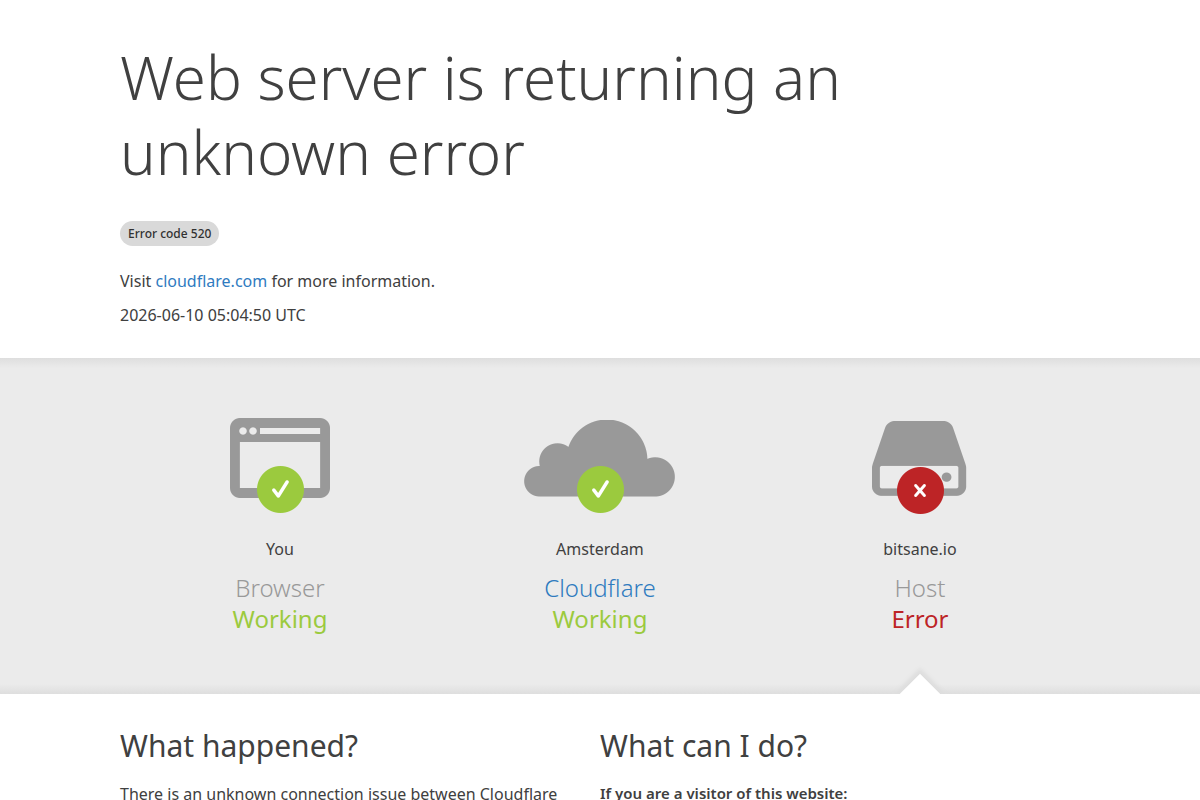
The definitive proof that bitsane.io was a scam occurred in June 2019. In what is now classified as a textbook exit scam, the exchange completely disappeared from the internet. The website went offline, and all social media channels were deleted overnight. Estimates suggest that at the time of the disappearance, users lost cumulative assets valued at hundreds of millions of dollars. The primary victim pool consisted of XRP holders who had moved their assets to the platform to take advantage of its liquidity and trading pairs.
An exit scam occurs when the creators of a platform intentionally shut down the service and flee with the funds deposited by their users. This is different from a hack, where a third party steals the funds. In the case of bitsane.io, there was no evidence of a security breach by an external actor. Instead, the internal management simply stopped providing access to the wallets. This event cemented bitsane.io status as one of the most notorious fraudulent exchanges in the history of the industry.
User Reviews and Historical Complaints
A retrospective look at user reviews provides a clear timeline of the platform decline. Before the final disappearance, the community sentiment shifted from cautious optimism to outright panic. Analyzing these reviews is essential for understanding how to spot similar scams in the future.
- Phase 1: Growing Pains. Users initially complained about slow verification processes. While frustrating, this is common on many platforms and often ignored as a red flag.
- Phase 2: Withdrawal Freezes. In early 2019, multiple threads appeared on forums like Reddit and Bitcointalk regarding “pending” withdrawals that never cleared. Users were told that technical upgrades were causing delays.
- Phase 3: The Blackout. By June 2019, users were reporting that they could no longer log in. Password reset emails were not being sent, and the site became intermittently unreachable before vanishing completely.
The common thread in these reviews was the lack of transparency. Users felt that the platform was “holding their money hostage.” Legitimate exchanges prioritize the liquid movement of funds; a platform that creates artificial barriers to withdrawals is almost always facing insolvency or planning a theft.
Technical and Security Assessment
From a cyber-security standpoint, the infrastructure of bitsane.io had several weaknesses. While the site used basic SSL encryption (which is a minimum requirement and not a sign of legitimacy), it lacked the advanced multi-signature wallet structures and cold storage transparency that modern exchanges employ. Users had no way to verify that their assets were actually being held in reserve. Furthermore, the domain history shows that the site was registered through services that allowed for anonymity, making it difficult for law enforcement to track the physical locations of the servers once the site went dark.
How to Protect Yourself from Similar Scams
The bitsane.io incident serves as a vital lesson for anyone involved in the digital asset space. To avoid falling victim to similar schemes, consider the following safety checklist:
- Check for Licensing: Always verify that an exchange is registered with reputable financial authorities like FinCEN in the US or the FCA in the UK.
- Avoid “Too Good to Be True” Liquidity: If a small, unknown exchange is the only place to trade a specific popular coin with high liquidity, exercise extreme caution.
- Analyze the Team: Research the founders. If they have no verifiable history in finance or technology, or if their social media presence seems manufactured, stay away.
- Monitor Withdrawal Health: Regularly check community forums for reports of withdrawal issues. If users are complaining about blocked funds, move your assets immediately.
- Use Non-Custodial Wallets: Never keep large amounts of cryptocurrency on an exchange. Use hardware wallets or non-custodial software wallets where you control the private keys.
Final Verdict: Is Bitsane.io a Scam?
The evidence is overwhelming and conclusive. Bitsane.io was a massive scam. While it operated as a functional exchange for a period to build trust and accumulate user deposits, its ultimate goal was the theft of user assets through a coordinated exit scam. The disappearance of the website, the deletion of all staff accounts, and the loss of hundreds of millions of dollars in user funds confirm its status as a fraudulent entity.
If you encounter any website today claiming to be a new version of Bitsane, or any platform that mirrors its operational patterns, you should avoid it at all costs. The domain bitsane.io is now a dead link, and any clones are likely phishing attempts designed to steal credentials. Always prioritize security over convenience and remember that in the world of cryptocurrency, if you do not own your keys, you do not own your coins.
Verdict: SCAM
Leave a Reply