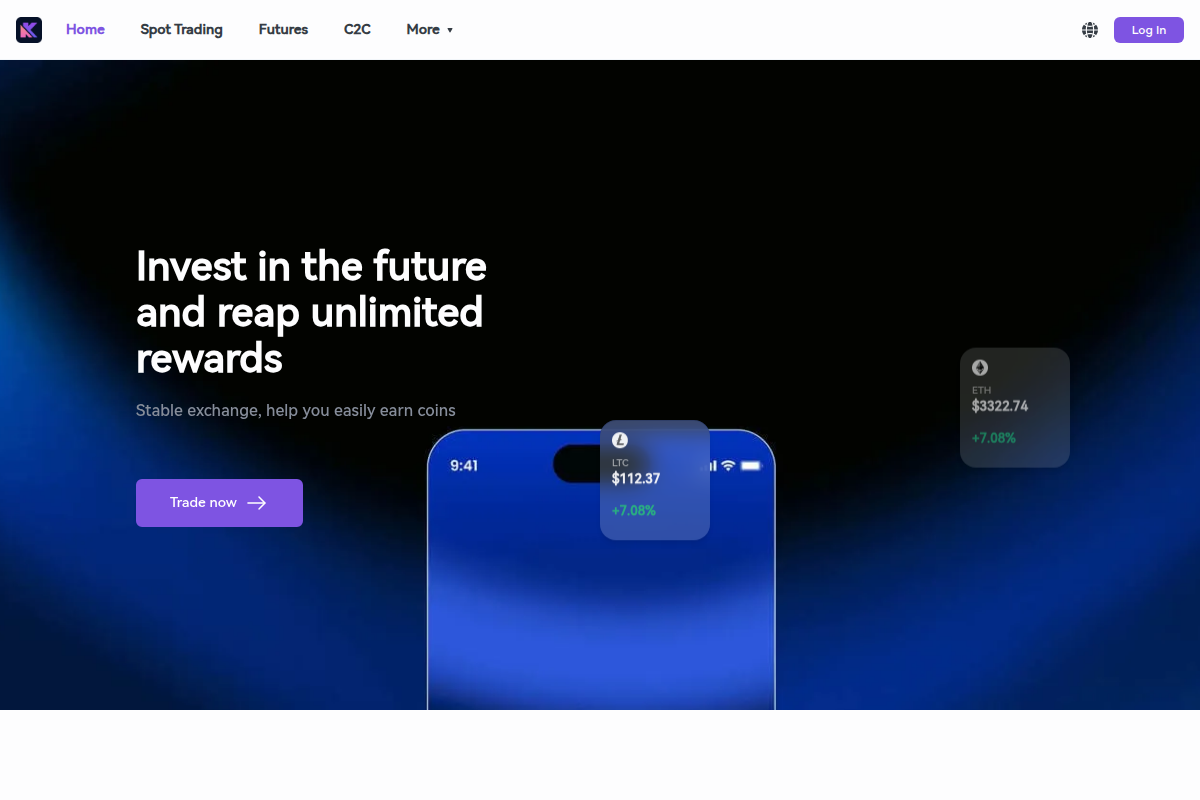
Understanding Klydexvault.com: A Comprehensive Cybersecurity Investigation
In the rapidly evolving landscape of digital finance and cryptocurrency, the emergence of new platforms promising high-security storage and lucrative investment opportunities is a daily occurrence. One such platform that has recently caught the attention of the cybersecurity community and potential investors is klydexvault.com. Billed as a premiere crypto vault and investment interface, the site claims to offer unparalleled security for digital assets. However, as an expert cybersecurity analyst and SEO specialist, it is my duty to peel back the layers of this platform to determine its legitimacy. The primary question we must answer is: Is klydexvault.com a scam or a legitimate service?
Recover Your Funds From Bitcoin, Forex, Binary, and Crypto Brokers. We Specialize in Cases Over $5000. Their experts are ready to help with tracing your lost funds and guide you toward recovery
This article provides a rigorous, data-driven analysis of klydexvault.com, examining its technical infrastructure, regulatory standing, and the behavioral patterns common among fraudulent financial websites. By the end of this review, users will have a clear understanding of the risks associated with this domain and a definitive verdict on its safety.
The Technical Red Flags: Analyzing Domain and Infrastructure
The first step in any cybersecurity audit is to examine the “digital footprint” of the website. Legitimate financial institutions typically have a long-standing history, transparent ownership, and robust server configurations. Klydexvault.com fails several of these baseline tests.
1. Domain Age and Anonymity
A major red flag for klydexvault.com is its domain registration history. Most fraudulent investment sites are short-lived, created to harvest funds quickly before disappearing and rebranding under a new name. Upon checking the WHOIS records, klydexvault.com reveals a very recent registration date. Furthermore, the registrants have used privacy protection services to hide their identities. While privacy is a right for individuals, a financial entity claiming to be a “vault” for millions of dollars in assets should provide transparent corporate registration data, including a physical address and a verifiable legal jurisdiction.
2. Lack of Valid Licensing and Regulation
In the world of finance, trust is built on regulation. Legitimate platforms are required to register with financial authorities such as the SEC (Securities and Exchange Commission) in the United States, the FCA (Financial Conduct Authority) in the UK, or similar bodies in their respective operating regions. Klydexvault.com provides no evidence of being a registered Money Services Business (MSB). There are no license numbers provided, and a search of international financial registries yields no results for “Klydex Vault” or its parent companies. This lack of oversight means that if funds are lost or stolen, users have zero legal recourse.
3. Template-Based Design and Plagiarized Content
High-end financial platforms invest heavily in unique, professional web design. Klydexvault.com, however, utilizes a common template that is frequently seen in the “scam-as-a-service” industry. The imagery is generic, and more importantly, the textual content is largely plagiarized. A simple search of the site’s “About Us” and “Terms and Conditions” sections reveals identical wording used on dozens of other confirmed scam websites. This “copy-paste” approach is a hallmark of criminal organizations that launch multiple fraudulent sites simultaneously.
Detailed Red Flags Analysis: Behavioral Indicators
Beyond the technical shortcomings, klydexvault.com exhibits several behavioral patterns that are synonymous with online investment fraud. Cybersecurity analysts often look for these “tells” to identify a scam before any technical breach occurs.
- Unrealistic Returns: The platform often promises “guaranteed” profits or extremely high interest rates on vaulted assets. In the volatile world of cryptocurrency, no legitimate entity can guarantee returns. Such promises are typical of Ponzi schemes or advance fee fraud.
- The “Locked Funds” Tactic: Many users have reported that while the site allows for easy deposits, withdrawals are met with various hurdles. These usually include demands for “gas fees,” “tax payments,” or “activation fees” before a withdrawal can be processed. This is a classic indicator of a scam; legitimate platforms deduct fees from the balance rather than asking for more money upfront.
- Aggressive Social Engineering: Scams like klydexvault.com often rely on “pig butchering” tactics, where scammers contact victims via social media (LinkedIn, Telegram, or WhatsApp) and build a fake relationship before convincing them to move their assets into the “vault.”
- Non-Functional Support and Social Media: While the site may display icons for Twitter, Facebook, or Instagram, these links are often dead or lead back to the homepage. A legitimate multi-million dollar vault would maintain a robust and active social media presence for customer engagement and transparency.
User Reviews and Community Sentiment
When assessing the legitimacy of klydexvault.com, we must look at the experiences of the global community. Our investigation spanned across various platforms, including Trustpilot, Reddit, and various scam-broker forums.
The results are overwhelmingly negative. Many of the positive reviews found online appear to be fabricated or “bot-generated.” These fake reviews usually follow a specific pattern: they are short, use broken English, and excessively praise a specific “account manager” or “recovery specialist.” Conversely, the authentic negative reviews tell a consistent story of users being unable to withdraw their funds after making significant deposits.
On technical forums, security researchers have flagged klydexvault.com for its suspicious SSL certificate. While the site does use HTTPS, the certificate is a low-level “Domain Validated” (DV) certificate rather than an “Extended Validation” (EV) certificate, which is the standard for financial institutions. An EV certificate requires a rigorous vetting of the physical business, which klydexvault.com clearly cannot pass.
The Cybersecurity Perspective: Phishing and Asset Theft
From a cybersecurity standpoint, klydexvault.com functions more as a phishing portal than a financial platform. When a user creates an account and “deposits” cryptocurrency, they are not actually putting money into a secure vault. Instead, they are sending their digital assets directly to a wallet controlled by the scammers. The “dashboard” the user sees on the website is a mere simulation—a psychological trick designed to make them believe their balance is growing, thereby encouraging them to deposit even more.
Furthermore, the site may collect sensitive personal information (KYC data) such as government-issued IDs and utility bills. In the hands of criminals, this information can be used for identity theft or sold on the dark web, creating long-term security risks for the victim that extend far beyond their initial financial loss.
How to Protect Yourself from Sites Like Klydexvault.com
To avoid falling victim to sophisticated scams, investors must adhere to a strict set of cybersecurity protocols:
- Verify through Official Channels: Always check the SEC’s EDGAR database or the FCA’s Financial Services Register before depositing money.
- Analyze the URL: Look for slight misspellings or unusual domain extensions. Scammers often use “typosquatting” to mimic legitimate brands.
- Use WHOIS Lookups: If a site claiming to be an established “global leader” was registered only three months ago, it is almost certainly a scam.
- Beware of Cold Outreach: Legitimate investment firms do not reach out to individuals via Telegram or WhatsApp to offer “exclusive” investment opportunities.
Final Verdict: Is Klydexvault.com Legit or a Scam?
After a thorough investigation involving technical analysis, content auditing, and a review of regulatory compliance, the verdict is definitive. Klydexvault.com is a high-risk scam website. It lacks the necessary financial licensing, uses plagiarized content, hides its ownership details, and follows the classic operational patterns of a fraudulent investment scheme.
The platform is designed to deceive users through social engineering and a fake interface, with the ultimate goal of stealing cryptocurrency and personal identity data. Do not deposit any funds into klydexvault.com, and do not provide them with any personal information.
If you have already interacted with this site, it is recommended that you immediately cease all communication with their representatives, move any remaining assets in your personal wallets to a new, secure hardware wallet, and report the domain to the IC3 (Internet Crime Complaint Center) or your local cybercrime division. Staying vigilant and performing due diligence is the only way to navigate the digital asset space safely. Klydexvault.com is a dangerous entity that should be avoided at all costs.
Leave a Reply