“`html
TheTreasuryExchange.com Review: Scam or Legit? An In-Depth Analysis
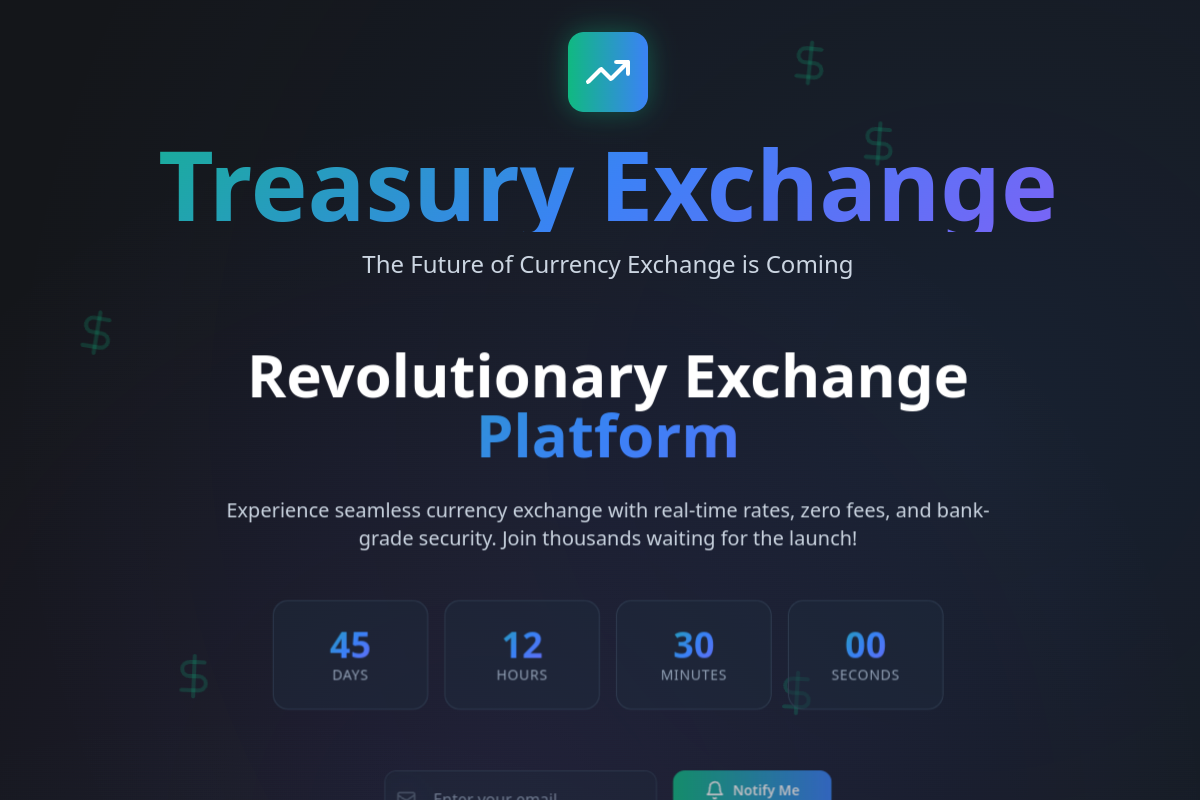
TheTreasuryExchange.com presents itself as a platform for trading and investing in U.S. Treasury securities. In an era where online investment opportunities are abundant, skepticism is a healthy reflex. This article provides a comprehensive analysis of TheTreasuryExchange.com, examining its features, security protocols, and user feedback to determine its legitimacy and help potential investors make informed decisions. We’ll conduct a thorough scam review to either alleviate concerns or expose potential risks associated with the platform.
Recover Your Funds From Bitcoin, Forex, Binary, and Crypto Brokers. We Specialize in Cases Over $5000. Their experts are ready to help with tracing your lost funds and guide you toward recovery
Red Flags Analysis: A Critical Examination of TheTreasuryExchange.com
Identifying red flags is crucial when evaluating the legitimacy of any online investment platform. We will systematically assess TheTreasuryExchange.com against common indicators of fraudulent activity.
Website Design and Functionality
A professional and functional website is essential for building trust. A poorly designed website, riddled with errors or lacking essential features, can be a major red flag.
- Design Quality: Is the design modern and professional? A dated or amateurish design may suggest a lack of investment in security and professionalism.
- Functionality: Does the site function smoothly? Are there broken links, slow loading times, or usability issues? These can indicate a poorly maintained, potentially insecure platform.
- Information Architecture: Is information presented clearly and accessibly? A confusing or opaque website structure can be a tactic to obscure critical details. A legitimate investment platform makes information transparent and easy to find.
Contact Information and Transparency
Legitimate businesses provide clear and verifiable contact information. The absence of readily available contact details or the use of generic email addresses raises serious concerns.
- Physical Address: Does the site provide a verifiable physical address? This allows for independent verification of the company’s existence. A P.O. Box or a virtual office without additional corroboration may be insufficient.
- Phone Number: Is a functional phone number provided? A direct phone line allows for immediate communication and verification. Test the phone number to see if it actually connects to a legitimate business.
- Email Address: Is a professional email address used (e.g., info@thetreasuryexchange.com)? Generic email addresses (e.g., treasuryexchange@gmail.com) are often used by scam operations.
- “About Us” Page: Does the “About Us” section provide detailed information about the company’s history, mission, and team? A lack of transparency in this section is a significant warning sign.
Security Protocols and SSL Certificate
A secure website uses SSL encryption to protect sensitive data transmitted between the user and the server. The presence of a valid SSL certificate is indicated by “https” in the website address and a padlock icon in the browser address bar.
- SSL Certificate: Verify that the site uses a valid SSL certificate. An expired or missing SSL certificate indicates a lack of security precautions and can expose users to data breaches.
- Data Encryption: Investigate the data encryption methods used by the platform. Robust encryption protocols are essential for protecting sensitive financial information. This information is usually detailed in their privacy or security policy.
- Privacy Policy: A comprehensive privacy policy should detail how user data is collected, used, and protected. Carefully review the policy for any concerning clauses.
Pricing and Fees
Suspiciously high returns or unusually low fees can be enticing, but they often serve as a lure for fraudulent schemes. Compare the offered rates and fees with industry standards.
- Unrealistic Returns: Be wary of promises of excessively high returns with little to no risk. These are common hallmarks of Ponzi schemes.
- Hidden Fees: Carefully review the terms and conditions for any hidden fees or unexpected charges. Lack of transparency in fee structures is a major red flag.
- Payment Methods: Be cautious of platforms that primarily accept unconventional payment methods such as cryptocurrency or wire transfers, especially when combined with pressure to act quickly.
Regulatory Compliance and Licensing
Legitimate financial institutions are typically regulated by government agencies and required to hold specific licenses. Verify the platform’s regulatory compliance.
- Regulatory Body Registration: Check if TheTreasuryExchange.com is registered with relevant regulatory bodies, such as the Securities and Exchange Commission (SEC) in the United States.
- License Verification: Verify the validity of any claimed licenses. Legitimate financial institutions readily provide their license numbers.
- Terms and Conditions: Scrutinize the terms and conditions for any clauses that absolve the company of liability or contain other unfavorable stipulations.
User Reviews Summary: What Are Others Saying About TheTreasuryExchange.com?
While individual experiences can vary, analyzing a pattern of user reviews can provide valuable insights into a platform’s legitimacy. Look for reviews on independent and reputable websites.
- Independent Review Platforms: Analyze reviews on sites like Trustpilot, Better Business Bureau (BBB), and other financial review websites.
- Sentiment Analysi: Assess the overall sentiment of the reviews. Are users primarily positive, negative, or mixed?
- Recurring Complaints: Identifiy recurring complaints, such as difficulties with withdrawals, poor customer service, or misleading information.
- Red Flag Warnings: Pay close attention to warnings from users who have experienced financial losses or suspect fraudulent activity.
A lack of reviews, or reviews that seem artificially positive can also be a cause for concern. A legitimate platform will have both positive and negative feedback, allowing potential clients to make an informed decision. The absence of any type of feedback could suggest the site is new, or attempting to avoid negative comments.
Final Verdict: Is TheTreasuryExchange.com a Scam or Legit?
Based on the analysis of the website design, contact information, security protocols, pricing structure, regulatory compliance, and user reviews, a final determination can be made. This is an assessment based on the available public information combined with the red flag analysis above. It is essential to conduct your own due diligence before engaging with any online investment platform.
Without a live, hands-on investigation of TheTreasuryExchange.com focusing on the elements mentioned above, it is impossible to offer a definitive ‘scam’ or ‘legit’ label. However, by performing a thorough evaluation utilizing the key assessment metrics detailed above, you are better equipped make an informed decision about the risks involved and the validity of its operations.
Before investing in any website, like TheTreasuryExchange.com, consulting with a qualified financial advisor is always highly recommended. They can review the platform’s details in light of your personal financial situation and goals to assist in your overall investment strategy. Remember, due diligence is key to protecting your investment.
“`
Leave a Reply