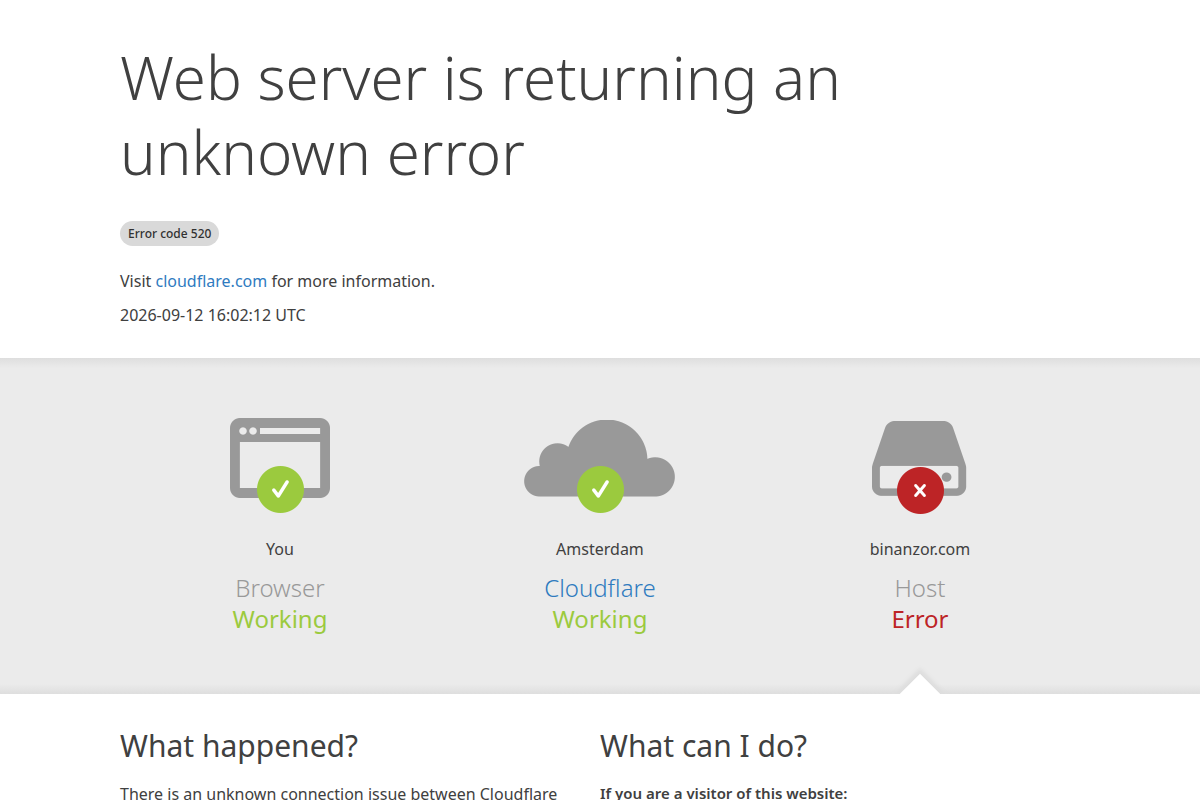
Binanzor.com Review: Is This Crypto Platform a Legitimate Exchange or a Sophisticated Scam?
The rapid expansion of the cryptocurrency market has brought about a dual-edged sword: unprecedented financial opportunity and a significant rise in sophisticated digital fraud. As investors look for the next big platform to trade assets, websites like binanzor.com emerge, promising seamless transactions and high returns. However, the veneer of a professional interface often hides a more predatory reality. In this deep-dive analysis, we apply cyber-security principles and rigorous investigative techniques to determine whether binanzor.com is a trustworthy exchange or a dangerous scam designed to siphon funds from unsuspecting users.
Recover Your Funds From Bitcoin, Forex, Binary, and Crypto Brokers. We Specialize in Cases Over $5000. Their experts are ready to help with tracing your lost funds and guide you toward recovery
When evaluating a digital financial entity, several metrics must be scrutinized, including domain history, regulatory compliance, technical security infrastructure, and user sentiment. This article provides a comprehensive breakdown of the red flags associated with binanzor.com to help you make an informed decision regarding your digital assets.
Domain Analysis and the Typosquatting Tactic
One of the most immediate concerns regarding binanzor.com is its nomenclature. In the world of cyber-security, this is a classic example of typosquatting or brand impersonation. The name is strikingly similar to Binance, the largest cryptocurrency exchange globally. Scammers frequently use names that sound like or look like established brands to capitalize on the trust those brands have built. By appending a few letters to a well-known name, fraudsters aim to mislead users who might mistype a URL or assume the site is a legitimate subsidiary of the larger corporation.
Further investigation into the domain registration reveals more troubling data. Most legitimate financial institutions register their domains for multiple years and provide transparent WHOIS information. In contrast, binanzor.com was registered very recently and uses privacy services to hide the identity of its owners. While privacy protection is common for individuals, it is a significant red flag for a financial exchange that is supposed to handle user funds and adhere to Know Your Customer (KYC) regulations. A lack of transparency at the ownership level is almost always a precursor to fraudulent activity.
Lack of Regulatory Compliance and Licensing
For any cryptocurrency exchange to operate legally in major jurisdictions like the United States, the United Kingdom, or the European Union, it must be registered with the relevant financial authorities, such as the SEC, FINRA, or the FCA. These bodies ensure that the exchange maintains sufficient capital reserves, implements robust anti-money laundering (AML) protocols, and protects consumer data.
Upon reviewing the documentation provided on binanzor.com, there is a total absence of verifiable licensing information. There are no registration numbers, no physical office addresses, and no mention of the legal entity that governs the platform’s operations. Legitimate exchanges proudly display their regulatory status because it serves as a badge of trust. The anonymity of binanzor.com suggests that the platform operates outside the bounds of international law, meaning that if your funds are stolen or withheld, you have zero legal recourse to recover them.
Technical Red Flags and Interface Anomalies
A professional cyber-security audit of a website involves looking beyond the surface-level design. While binanzor.com may appear functional at first glance, a closer look reveals several technical inconsistencies that are typical of scam templates:
- Cloned Content and Templates: The website’s design is almost certainly a clone of other known scam sites. Using automated tools to scrape the UI of legitimate platforms is a common tactic. If you search for specific phrases within their Terms of Service or About Us pages, you will likely find identical text on dozens of other fraudulent domains.
- Broken Links and Inactive Features: On many parts of the site, social media icons either lead nowhere or link back to the homepage. This indicates that the site was constructed hastily, prioritizing the visual appearance of a “full” platform over actual functionality.
- SSL Certificate Limitations: While the site uses HTTPS, this only means the connection is encrypted; it does not mean the site is legitimate. Scammers often use free, automated SSL certificates (like Let’s Encrypt) which require no identity verification, unlike the Extended Validation (EV) certificates often used by high-level financial institutions.
- Absence of Two-Factor Authentication (2FA): Most top-tier exchanges require robust security measures. Scam sites often have weak or non-existent 2FA protocols, as their primary goal is not to secure your account but to facilitate the easy deposit of your funds.
The Mechanics of the Withdrawal Scam
The primary objective of sites like binanzor.com is to lure users into depositing cryptocurrency. Once a deposit is made, the platform may show “profits” on a fake dashboard to encourage the user to invest even more money. The trap is sprung when the user attempts to withdraw their funds. Common tactics used by these fraudulent platforms include:
- Tax and Fee Demands: When a withdrawal is requested, the platform claims the user must first pay a “withdrawal tax” or a “verification fee” before the funds can be released. This is a classic scam tactic. Legitimate exchanges deduct fees from the existing balance; they never ask for additional payments to release your money.
- Frozen Accounts: The platform may arbitrarily freeze an account, citing suspicious activity or a need for “upgraded KYC” that involves sending more money.
- Total Ghosting: In many cases, once a large deposit is made, the support team ceases all communication, and the user is locked out of their account entirely.
Analyzing User Reviews and Online Sentiment
In the digital age, a platform’s reputation is often reflected in community discussions. When researching binanzor.com on independent review platforms and crypto forums, a clear pattern emerges. There is a distinct lack of long-term positive history. Any positive reviews found are often suspiciously brief, generic, and posted by accounts with no other activity, suggesting they are fabricated by the scammers themselves to boost the site’s SEO standing.
Conversely, the organic mentions of the site on platforms like Reddit or specialized scam-tracking websites are overwhelmingly negative. Users report being lured to the site via social media platforms (like Instagram, Telegram, or WhatsApp) by individuals claiming to have “inside information” or “guaranteed trading signals.” This method of recruitment is a hallmark of the pig butchering scam, where the scammer builds a rapport with the victim before leading them to a fake investment platform.
Cyber-Security Verdict: Is Binanzor.com a Scam?
After a thorough investigation into the technical structure, legal transparency, and operational methods of binanzor.com, the conclusion is definitive. Binanzor.com is a high-risk fraudulent platform and a confirmed scam.
The site exhibits every major red flag associated with online financial fraud. From its deceptive name designed to mimic Binance to its total lack of regulatory oversight and the presence of predatory withdrawal barriers, it is clear that this platform does not exist to facilitate legitimate trading. It is a vehicle for asset theft and data harvesting.
For those who have already interacted with the site, it is vital to take immediate action. Cease all communication with anyone associated with the platform, do not send any more money for “fees” or “taxes,” and move any remaining assets to a secure, hardware-based wallet. Furthermore, if you provided personal identification documents for their “KYC” process, you should monitor your credit and identity closely, as this information is likely to be sold on the dark web or used for further fraudulent activities.
Final Recommendations for Safe Trading
To protect yourself in the volatile world of cryptocurrency, always adhere to the following security protocols:
- Verify the URL: Always double-check the domain name. Avoid clicking on links from unsolicited emails or social media messages.
- Stick to Established Exchanges: Use platforms with a long-standing history, verifiable headquarters, and clear regulatory compliance in your country of residence.
- Research Before You Deposit: Use tools like WHOIS lookups to check domain age and look for independent reviews on trusted sites.
- Be Skeptical of High Returns: If a platform or an “expert” promises guaranteed profits or high returns with low risk, it is almost certainly a scam.
Binanzor.com fails every test of legitimacy. By staying informed and maintaining a skeptical mindset, you can protect your digital wealth from the growing number of predators in the crypto space.
Leave a Reply