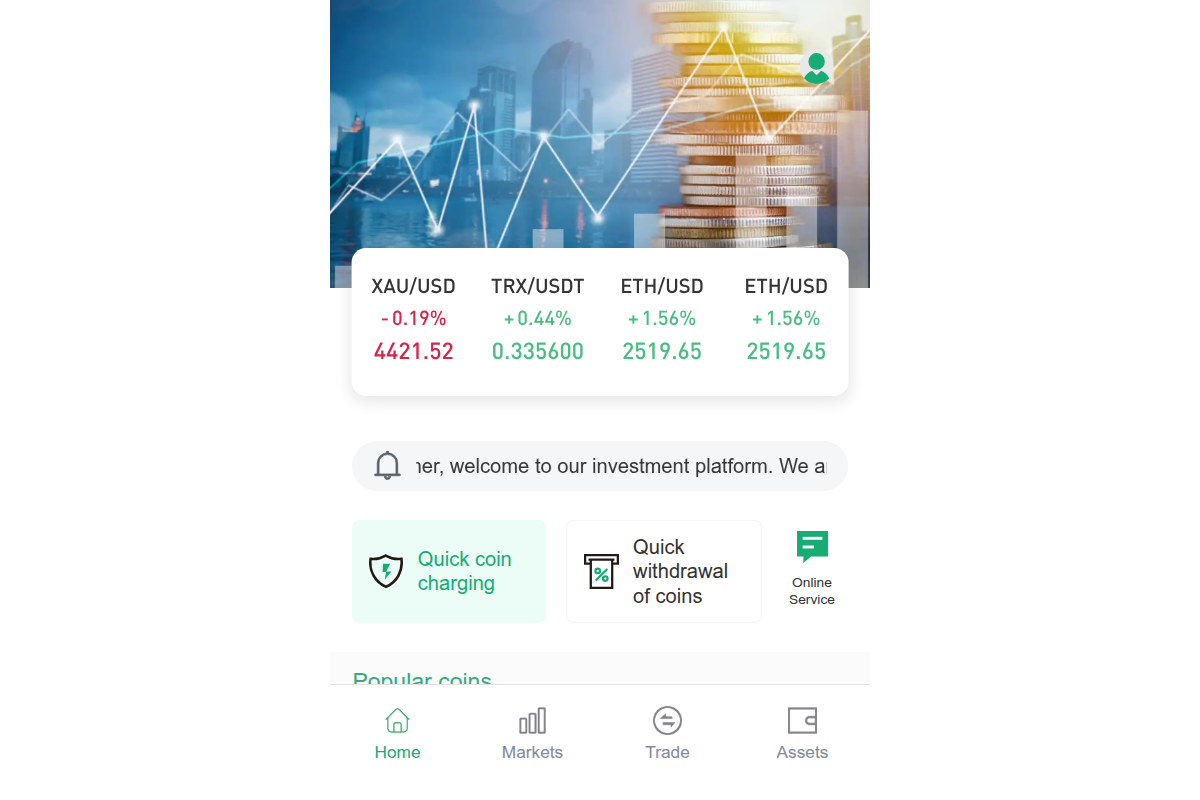
bitdex.azureedge.net Review | Is BitDex AzureEdge Legit or Scam? Crypto Trading Platform Warning

screenshot 4774 1781064930

Bitdex.azureedge.net Review: Is It a Legitimate Trading Platform or a Scam?

The digital financial landscape has seen a massive surge in cryptocurrency interest over the last decade. While this has opened doors for legitimate investment opportunities, it has also paved the way for sophisticated cyber-criminals to launch deceptive platforms. One such platform currently raising alarm bells within the cybersecurity community is bitdex.azureedge.net. In this comprehensive review, we will dissect the architecture, technical red flags, and operational patterns of this site to determine if it is a legitimate exchange or a calculated scam.

Recover Your Funds From Bitcoin, Forex, Binary, and Crypto Brokers. We Specialize in Cases Over $5000. Their experts are ready to help with tracing your lost funds and guide you toward recovery

As an expert in cybersecurity analysis, it is vital to approach these platforms with a healthy dose of skepticism. The URL itself provides the first clue into the nature of the operation. By conducting a deep dive into the technical infrastructure and the user experience of Bitdex, we can provide a definitive verdict for potential investors looking to protect their digital assets.

Technical Infrastructure and Domain Analysis

The most immediate red flag regarding bitdex.azureedge.net is the domain structure. A legitimate, high-volume cryptocurrency exchange typically operates on a dedicated top-level domain, such as a .com, .io, or .net address that is directly owned and managed by the company. For example, platforms like Coinbase, Binance, or Kraken invest heavily in their brand identity and security infrastructure.

The address bitdex.azureedge.net is not a primary domain. Instead, it is a subdomain of azureedge.net, which is a Content Delivery Network (CDN) endpoint provided by Microsoft Azure. While Azure is a world-class cloud service, the use of a CDN endpoint as a primary customer-facing URL is a classic tactic used by scammers. By hosting their content on an Azure subdomain, the operators achieve several deceptive goals:

  • Bypassing Security Filters: Many automated security systems trust the azureedge.net domain because it is owned by Microsoft. This allows the scam site to bypass certain firewalls and email filters that might otherwise block a newly registered, suspicious domain.
  • Cost and Anonymity: Setting up a CDN endpoint is often cheaper and requires less identity verification than securing a traditional business-class hosting environment with proper corporate documentation.
  • Lack of Accountability: When a site is hosted as a transient endpoint on a cloud provider, the operators can quickly shut it down and relocate to a different subdomain once the current one is flagged for fraud, making it difficult for law enforcement to track the physical location of the servers.

The Lack of Regulatory Compliance

In the world of finance, legitimacy is synonymous with regulation. Any platform offering trading services, especially those involving digital assets and fiat currency, must adhere to strict regulatory frameworks such as Anti-Money Laundering (AML) and Know Your Customer (KYC) protocols. In the United States, this would involve registration with FinCEN or oversight by the SEC or CFTC. In the UK, the Financial Conduct Authority (FCA) maintains a registry of authorized firms.

Our analysis reveals that bitdex.azureedge.net provides no verifiable information regarding its regulatory status. There are no corporate registration numbers, no legal physical address, and no mention of the jurisdiction under which the platform operates. For a financial institution, this lack of transparency is not merely a “red flag”; it is a definitive indicator of a fraudulent operation. Legitimate exchanges go to great lengths to display their licensing to build trust with users.

Suspicious Trading Features and “Guaranteed” Returns

Another hallmark of the bitdex.azureedge.net scam is the promise of unrealistic financial gains. Scam platforms often use manipulated trading software to show users “fake” profits. When a user deposits a small amount of money, the platform’s internal dashboard might display a 200 percent or 300 percent increase in value within days. This is designed to create a sense of euphoria and encourage the victim to deposit much larger sums of money.

However, these gains are purely cosmetic. The “trading” taking place on the platform is not connected to the actual global cryptocurrency markets. It is a closed-loop simulation controlled by the site administrators. When a user attempts to withdraw their “profits,” the platform will typically implement various stall tactics, which we will examine in the next section.

The Withdrawal Trap: A Common Scam Mechanism

The true nature of bitdex.azureedge.net reveals itself during the withdrawal process. This is where the “Pig Butchering” or “Exit Scam” tactics become evident. Users who attempt to move their funds out of the platform are met with several hurdles designed to extract even more money:

  • Tax Requirements: The platform may claim that the user must pay a 20 percent “capital gains tax” upfront before the withdrawal can be processed. Legitimate exchanges deduct fees from the balance; they never ask for an external payment to release funds.
  • Verification Fees: Users might be told their account is “frozen” due to suspicious activity and that a “security deposit” is required to verify their identity.
  • Network and Gas Fees: While blockchain transactions do require fees, scammers often inflate these to thousands of dollars, hoping the user will pay out of desperation to recover their initial investment.

In every documented case involving sites like bitdex.azureedge.net, once the user pays these additional fees, the scammers stop all communication, and the website eventually goes offline, only to reappear under a slightly different name.

Analysis of Design and Content Quality

High-quality web design and professional copy are standard for legitimate financial services. When reviewing bitdex.azureedge.net, several aesthetic and functional inconsistencies appear. Many pages on such sites are often poorly translated or contain “Lorem Ipsum” placeholder text in the deeper layers of the site structure.

Furthermore, the “About Us” section is usually filled with generic marketing jargon that does not name any real human beings. Legitimate companies have a leadership team with verifiable LinkedIn profiles and professional histories. Bitdex, conversely, operates in the shadows. The images used on the site are often stock photos or stolen from legitimate fintech companies, further proving that the platform is a facade designed to deceive the untrained eye.

User Reviews and Community Sentiment

An essential part of any safety check is looking at what the broader community is saying. While scammers often post “fake” positive reviews on various forums to drown out complaints, the truth usually emerges on independent review platforms like Trustpilot, Scamadviser, and various Reddit communities focused on crypto-scams.

The sentiment surrounding bitdex.azureedge.net is overwhelmingly negative. Victims report a similar pattern: they were contacted via social media platforms (such as WhatsApp, Telegram, or Tinder) by someone claiming to be a successful trader. This “mentor” guided them to the Bitdex site. This is the classic “social engineering” phase of the scam. Once the victim is invested emotionally and financially, the platform shuts them out. There are no recorded instances of a user successfully withdrawing a significant amount of profit from this specific URL.

Cybersecurity Verdict: Scam or Legit?

After a thorough investigation into the technical, legal, and operational aspects of bitdex.azureedge.net, the conclusion is clear. This platform is a highly dangerous scam. It exhibits every characteristic of a fraudulent financial operation, from its deceptive use of a CDN subdomain to its total lack of regulatory transparency and its predatory withdrawal policies.

Key Reasons for the Scam Verdict:

  • Non-Standard Domain: Use of an azureedge.net subdomain instead of a corporate TLD is a major security risk.
  • Anonymity: The owners and operators are completely anonymous, with no verifiable physical presence.
  • No Regulation: The platform operates outside the law, offering no protection to investors.
  • Predatory Tactics: Reports of “tax” and “verification fee” demands are consistent with known crypto-fraud patterns.
  • Social Engineering: The platform is primarily promoted through deceptive social media interactions rather than legitimate marketing.

How to Protect Yourself

If you have already deposited money into bitdex.azureedge.net, the most important step is to stop sending funds immediately. Scammers will continue to invent new reasons why you need to pay “one last fee.” You will never see that money again, and paying more will only increase your total loss.

You should also take the following steps:

  • Report the Site: File a report with the FBI’s Internet Crime Complaint Center (IC3) or your local equivalent.
  • Contact Your Bank: If you used a credit card or bank transfer, contact your financial institution to report the fraud, though cryptocurrency transfers are generally irreversible.
  • Secure Your Data: If you provided Bitdex with a copy of your ID or passport for “KYC,” be aware that you may be at risk for identity theft. Monitor your credit reports closely.
  • Beware of Recovery Scams: Once you are identified as a victim, you may be contacted by people claiming to be “recovery experts” who can get your money back for a fee. These are almost always a second layer of the same scam.

In summary, bitdex.azureedge.net is not a legitimate exchange. It is a sophisticated phishing and investment fraud tool designed to steal assets from unsuspecting users. Always use well-known, regulated exchanges and never trust investment advice from strangers on social media.

Comments

Leave a Reply

Your email address will not be published. Required fields are marked *