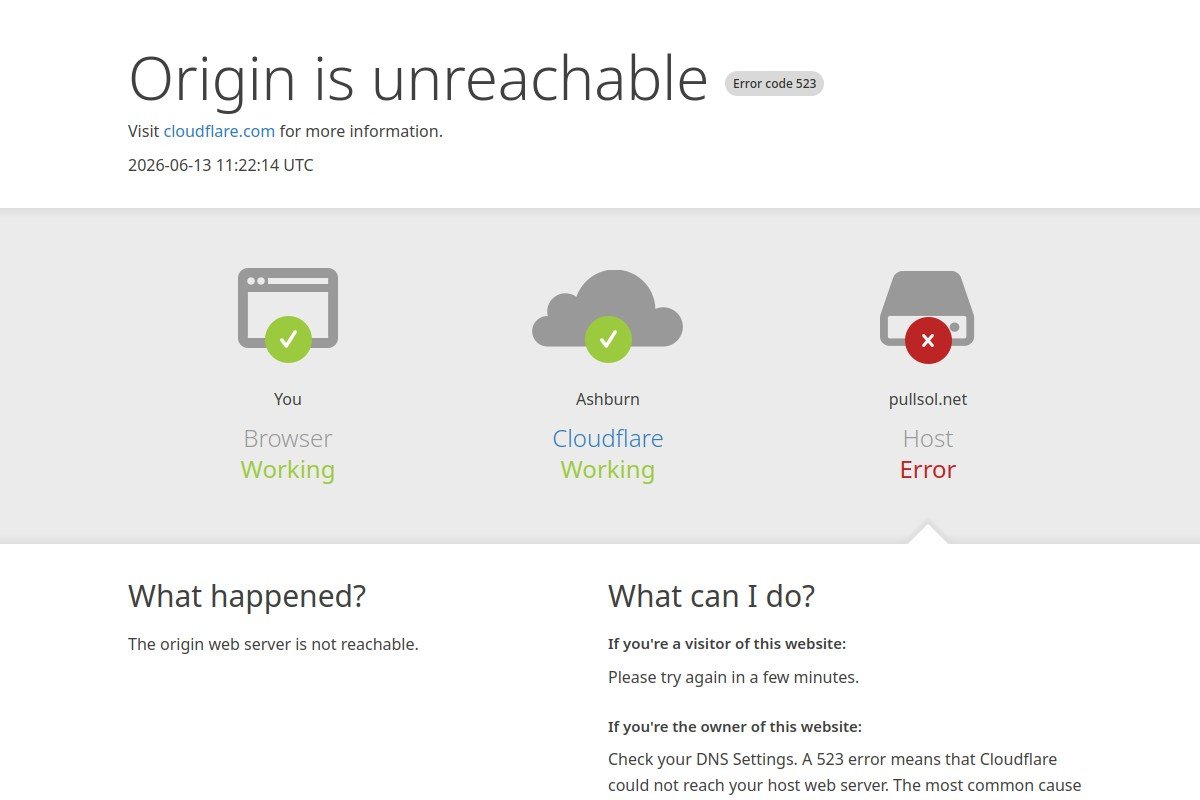
PullSol Scam Review: Is PullSol Legit or a Fraudulent Website?
In the rapidly evolving digital economy, new platforms frequently emerge claiming to offer lucrative financial opportunities. PullSol is one such entity that has recently caught the attention of the online community. Marketed primarily as a cryptocurrency-related service provider, PullSol claims to provide users with tools for digital asset management and trading. However, in an era where online fraud is increasingly sophisticated, it is essential for potential users to conduct a thorough scam review before committing funds or sharing sensitive personal data. This investigation examines the platform’s transparency, regulatory status, and operational red flags to determine the level of risk involved.
Recover Your Funds From Bitcoin, Forex, Binary, and Crypto Brokers. We Specialize in Cases Over $5000. Their experts are ready to help with tracing your lost funds and guide you toward recovery
What Should You Know About PullSol?
PullSol presents itself as an innovative platform tailored for the cryptocurrency market. It purports to offer specialized financial services designed to maximize user returns. Despite these claims, the website provides very little verified information regarding its corporate structure, parent company, or physical headquarters. For any financial platform, consumer protection starts with transparency. Without a clear history of operations or a verifiable track record, independent verification becomes the only way to safeguard against a potential investment scam. Investors are advised that platforms operating in the shadows of the regulatory landscape often pose a significant threat to capital security.
Can PullSol Be Trusted?
When determining is PullSol legit, investigators look for specific trust signals such as valid licensing from financial authorities like the SEC, FCA, or ASIC. Currently, PullSol lacks any evidence of being a regulated entity. The absence of a physical address and a verified telephone number further complicates its credibility. Most legitimate financial institutions provide clear ownership details and comprehensive legal documentation. In the case of PullSol, the anonymous nature of its leadership team and the lack of a clear regulatory framework are indicative of a fraudulent website designed to exploit unsuspecting users under the guise of high-tech trading.
Red Flags and Risk Factors
Our scam website review has identified several critical red flags that align with known patterns of online fraud. Users should be wary of the following indicators:
- Lack of Regulatory Oversight: The platform does not appear to be registered with any major financial regulator.
- Anonymous Ownership: There is no information regarding the individuals who own or manage the platform.
- Newly Registered Domains: Many sites like PullSol use recently registered domains to avoid a long history of negative reviews.
- Withdrawal Obstacles: A common complaint in any crypto scam is the inability for users to withdraw their initial capital or supposed profits.
- High-Pressure Sales Tactics: The use of artificial urgency to force users into making quick deposits.
- Poor Transparency: Hidden fees and vague terms of service that favor the platform over the consumer.
Common Scam Techniques Associated With Similar Platforms
PullSol operates in a space often occupied by various online scam warning triggers. Many similar sites utilize “pig butchering” techniques, where scammers build a false sense of trust over time before convincing the victim to invest large sums. Others function as fake investment platforms that show “phantom” profits on a digital dashboard that do not actually exist. Once a user attempts to withdraw, the platform may demand “tax payments” or “clearance fees,” which is a hallmark of a crypto scam. Furthermore, users should be aware of recovery scams, where third parties claim they can retrieve lost funds for an upfront fee.
User Reviews and Complaints Summary
Public feedback regarding PullSol is currently limited, which is a risk factor in itself. A lack of long-term, independent reviews often suggests that a platform is either too new to be trusted or is actively scrubbing negative feedback. When reviews do appear for such platforms, they are often polarized between obviously fake five-star testimonials and harrowing reports of total fund loss. The absence of a robust presence on reputable consumer forums is a clear signal that caution is required.
Warning Signs Checklist
- Does the website promise “guaranteed” or “risk-free” returns?
- Is the company’s physical address missing or unverifiable?
- Are you being contacted by “analysts” via encrypted messaging apps?
- Does the platform lack a valid financial services license?
- Are there reports of users being unable to withdraw their money?
What To Do If You Sent Money To PullSol
If you suspect you have been targeted by an investment scam, immediate action is necessary. First, cease all further payments and do not pay any “fees” to withdraw your money. Preserve all evidence, including screenshots of the website, transaction IDs, and chat logs. Contact your bank or credit card provider to report online fraud and explore chargeback options. Additionally, report the incident to your local cybercrime division or national authorities like the FBI’s IC3 or Action Fraud. Finally, monitor your personal accounts for any signs of identity theft.
Final Verdict: Is PullSol Scam or Legit?
Based on the available evidence and the presence of multiple high-risk indicators, PullSol shows significant characteristics of an investment scam. The combination of anonymous ownership, lack of regulatory licensing, and poor transparency makes it a high-risk platform. We strongly advise consumers to exercise extreme caution. There is no verifiable proof that PullSol is a legitimate financial entity. To ensure consumer protection, we recommend using only well-established, regulated exchanges and avoiding any platform that lacks clear legal accountability. Is PullSol a scam? While we cannot make a definitive legal ruling, the risk of total capital loss is extremely high.
Leave a Reply