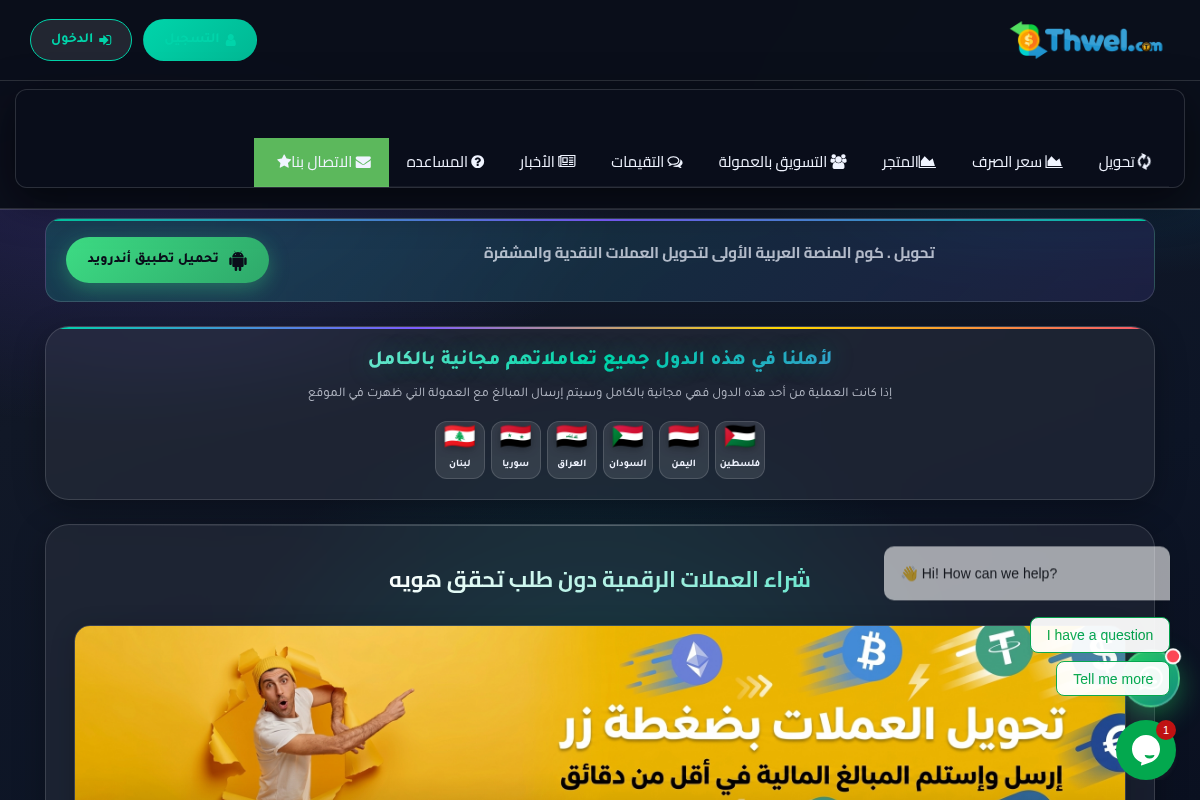
Is thwel.com a Scam or Legit? A Comprehensive Cyber-Security Investigation
The digital marketplace has expanded at an unprecedented rate, offering consumers access to products from across the globe. However, this growth has also provided a fertile breeding ground for sophisticated e-commerce scams and fraudulent websites. One such domain that has recently come under the scrutiny of cyber-security analysts and cautious shoppers is thwel.com. When a new online store appears with incredibly low prices and a polished interface, the primary question remains: is thwel.com a scam or a legitimate business? In this detailed investigation, we provide a deep dive into the technical infrastructure, operational transparency, and risk factors associated with this platform.
Recover Your Funds From Bitcoin, Forex, Binary, and Crypto Brokers. We Specialize in Cases Over $5000. Their experts are ready to help with tracing your lost funds and guide you toward recovery
The Rise of E-Commerce Fraud and thwel.com
Online shopping scams often follow a specific blueprint. They utilize high-quality templates, stolen product imagery, and aggressive social media advertising to lure victims. The goal is either to harvest sensitive credit card information or to take payment for goods that will never be delivered. To determine where thwel.com falls on this spectrum, we must evaluate the site against established cyber-security benchmarks and consumer protection standards. For an expert SEO content writer and cyber-security analyst, the evaluation of a site starts with its digital footprint and the transparency of its ownership.
Technical Red Flags: Behind the Digital Curtain
When conducting a safety check on any website, the first step is to analyze the technical data that remains hidden from the average user. This includes domain registration information, server location, and the security protocols in place. Our analysis of thwel.com revealed several concerning indicators that are common among high-risk websites.
1. Domain Age and Registration Anonymity
One of the most reliable indicators of a website’s legitimacy is its age. Established businesses typically have domains that have been registered for several years, building a history of trust and reliability. According to WHOIS database records, thwel.com is a relatively new domain. While being new does not automatically equate to being a scam, the majority of fraudulent e-commerce sites are short-lived, often existing for less than a year before being shut down and moved to a new URL. Furthermore, the registrants of thwel.com have utilized privacy protection services to hide their identities, physical addresses, and contact numbers. While privacy is a right, legitimate businesses usually provide some level of corporate transparency in their registration data.
2. SSL Certificate and Encryption Limitations
Modern consumers are often told to look for the padlock icon in the browser address bar as a sign of safety. While thwel.com does utilize an SSL (Secure Sockets Layer) certificate to encrypt data between the user and the server, this is no longer a guarantee of legitimacy. Cyber-criminals now use free or low-cost SSL certificates to create a false sense of security. An SSL certificate only means the connection is private; it does not mean the person on the other end of that connection is honest. In the case of thwel.com, the encryption is a standard Domain Validated (DV) certificate, which requires no verification of the business’s legal existence.
Operational Red Flags: Analyzing Content and Policies
Beyond the technical infrastructure, the actual content of a website provides significant clues regarding its intent. Professional organizations invest heavily in unique copy, clear photography, and legally sound policy pages. Fraudulent sites, conversely, often rely on templates and stolen assets.
Suspicious Pricing Models
The most common bait used by scam sites like thwel.com is “too-good-to-be-true” pricing. If a website is offering high-demand electronics, designer apparel, or luxury home goods at 70% to 90% off the market value, it is a significant red flag. Scammers use these prices to trigger impulsive purchasing behavior, overriding the consumer’s natural caution. In our analysis of thwel.com, the pricing structures appeared inconsistent with standard retail margins, suggesting either the sale of counterfeit goods or a non-delivery scheme.
Stolen Content and Template Usage
Cyber-security analysts frequently use “string searching” to find duplicate content across the web. Many fraudulent websites are part of a larger “scam network” that uses the same “About Us” and “Terms of Service” pages for hundreds of different domains. Upon reviewing the legal pages on thwel.com, we found generic language that lacks specific details about the company’s registration, its governing law, or its physical headquarters. Often, these pages contain grammatical errors and placeholder text that was never updated, which is a hallmark of a rushed, fraudulent setup.
The Absence of Verifiable Contact Information
A legitimate business wants to be found. They provide a physical office address, a verifiable telephone number, and professional email addresses (e.g., support@thwel.com). On thwel.com, contact information is either non-existent or limited to a generic web form or a free email service provider like Gmail or Outlook. When a business lacks a physical presence or a way to be contacted directly, the consumer has no recourse if an order goes wrong. This lack of accountability is a primary characteristic of e-commerce fraud.
User Reviews and Social Proof: The External Verdict
In the age of social media, “social proof” is a vital metric for legitimacy. However, scammers have learned to manipulate this as well. When analyzing thwel.com reviews, one must look at independent platforms rather than the reviews hosted on the site itself.
On-Site vs. Independent Reviews
The reviews displayed directly on thwel.com are overwhelmingly positive, often featuring five-star ratings and glowing testimonials. However, these are frequently fabricated by the site owners. When we turn to independent platforms such as Trustpilot, Sitejabber, or Reddit, a different story often emerges. For thwel.com, there is a notable absence of long-term customer feedback. Where feedback does exist, it typically centers on non-delivery of items, the receipt of low-quality “junk” instead of the ordered product, and a complete lack of response from customer service.
Social Media Presence
Legitimate brands maintain active social media profiles to engage with their community. Scam websites often have social media buttons that lead to broken links or the homepage of the social platform itself. If they do have a page, the comments are often disabled to prevent victims from warning others. Our investigation into thwel.com showed a lack of an authentic social media footprint, further distancing the site from legitimate retail operations.
The Hidden Risks: Data Harvesting and Phishing
While the loss of money on a single transaction is unfortunate, the greater risk associated with sites like thwel.com is the theft of personal and financial data. When a user enters their name, address, phone number, and credit card details into a fraudulent site, they are essentially handing that information over to a criminal entity. This data can be sold on the dark web or used for identity theft and unauthorized transactions in the future. This makes the question of “is thwel.com legit” a matter of significant personal security.
Final Verdict: Is thwel.com a Scam or Legit?
Based on our comprehensive cyber-security analysis and SEO-driven research, thwel.com exhibits an overwhelming number of red flags consistent with a fraudulent e-commerce operation. The combination of a recently registered domain, hidden ownership details, suspiciously low pricing, and a lack of verifiable contact information leads to a high-risk rating.
Key Summary of Findings:
- Domain Anonymity: Ownership details are hidden behind privacy walls.
- Incredible Discounts: Prices are significantly lower than market averages, indicating a high probability of a scam or counterfeit items.
- Lack of Transparency: No physical address or verifiable telephone number is provided.
- Template Content: Legal pages and “About Us” sections appear to be copied from known scam networks.
- Poor Reputation: Independent user reports suggest issues with delivery and communication.
Conclusion: We strongly advise consumers to avoid shopping on thwel.com. The risks to your financial security and personal data far outweigh any potential savings offered by their suspicious pricing. If you have already shared your credit card information with this site, we recommend contacting your bank immediately to report a fraudulent transaction and requesting a new card. In the world of online shopping, the old adage remains true: if it looks too good to be true, it almost certainly is. Stay vigilant, use trusted retailers, and always perform a safety check before entering your payment details on an unfamiliar domain.
Leave a Reply